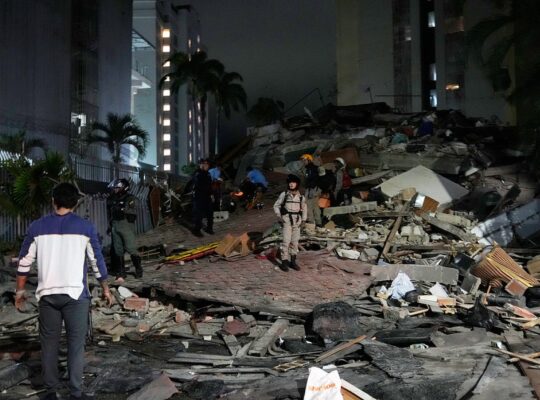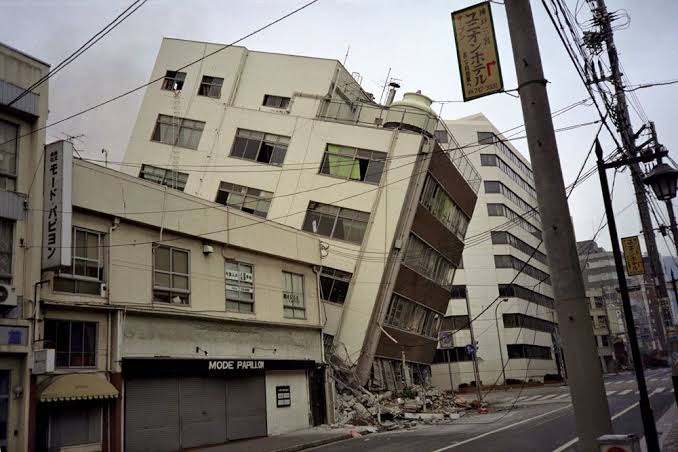
Part 1 of a 2-part series on earthquakes, inspired by the magnitude 7.1 quake that struck Kumamoto, southern Japan, on July 28, 2026.
Earthquakes are one of the few natural disasters that give almost no warning. One moment the ground is still, the next it isn’t. That unpredictability is exactly why understanding the basics — why quakes happen, what dangers to watch for, and how to prepare — matters so much, whether you live in a seismic hotspot like Japan or somewhere that only shakes once a generation.
Why Do Earthquakes Happen?
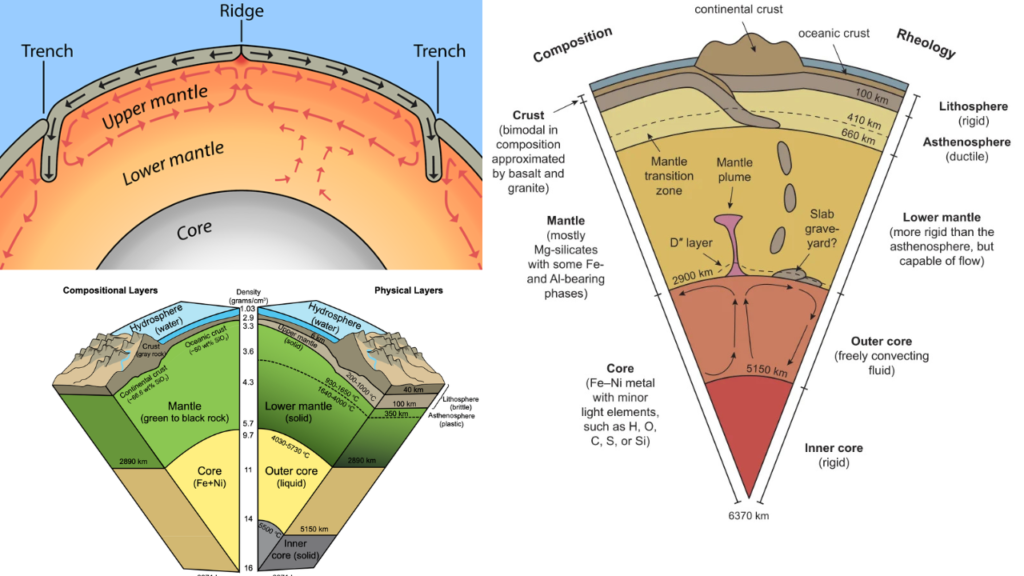
The Earth’s outer shell isn’t one solid piece — it’s broken into large plates that float on a slow-moving layer of hot rock beneath them. These plates are constantly grinding, pushing, and pulling against each other, but usually so slowly you’d never notice.
Stress builds up at the edges of these plates (called fault lines) where they get stuck against one another instead of sliding smoothly. Energy accumulates there over years, decades, or centuries. When the built-up stress finally overcomes the friction holding the rocks in place, they slip suddenly — releasing that stored energy as seismic waves. That sudden release is what we feel as an earthquake.
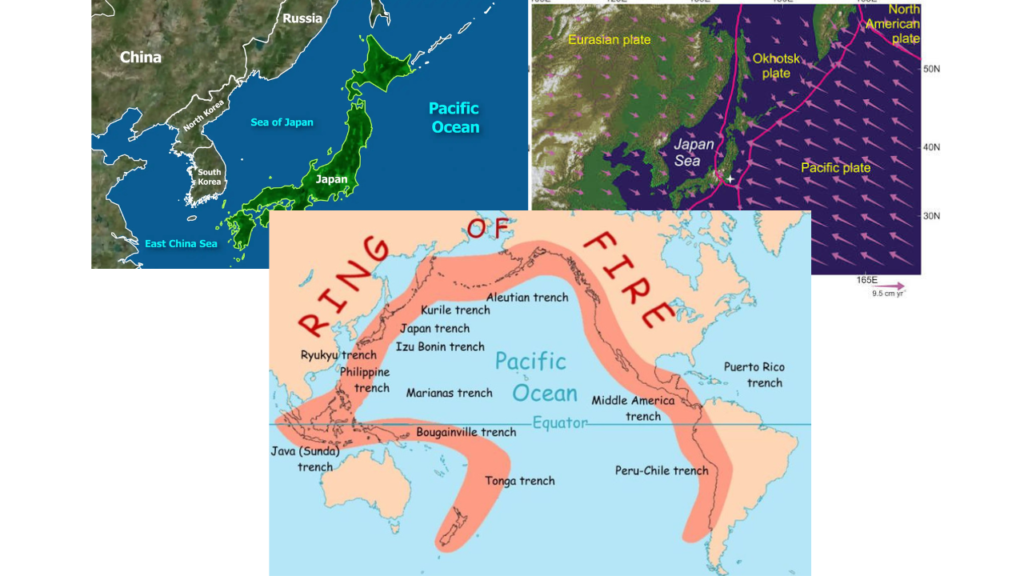
Japan sits at the meeting point of four major tectonic plates (the Pacific, Philippine Sea, Eurasian, and North American plates), which is why it’s one of the most seismically active countries on Earth, experiencing thousands of earthquakes every year, most too small to feel.
What Should You Watch Out For?
Understanding earthquakes isn’t just about the shaking itself — it’s about the secondary dangers that often cause more harm:
- Falling objects indoors. Bookshelves, cabinets, mirrors, and light fixtures are common causes of injury.
- Aftershocks. A large quake is almost always followed by a series of smaller ones, sometimes for days or weeks. Structures weakened by the first quake can fail during an aftershock.
- Tsunamis. Undersea earthquakes can displace huge volumes of water, generating waves that travel fast and hit coastlines with little warning.
- Landslides and ground liquefaction. Steep terrain and soft, water-saturated soil can give way even away from the epicenter.
- Gas leaks and fires. Ruptured gas lines are a leading cause of post-earthquake fires.
- Structural damage that isn’t visible at first. Cracks in a building’s frame may not show until a later aftershock brings it down.
Safety Tips: What to Do During an Earthquake
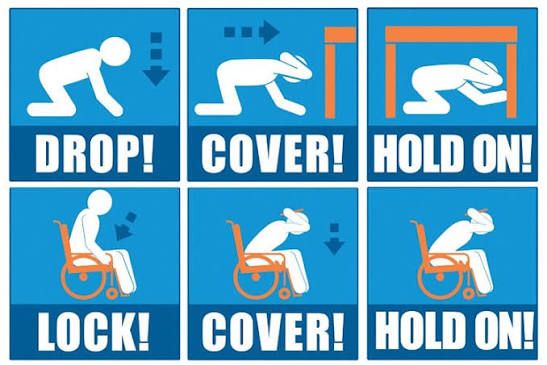
Seismologists and disaster agencies (including FEMA and the Red Cross) generally agree on one core technique:
Drop, Cover, and Hold On.
- Drop to your hands and knees before the shaking knocks you down.
- Cover your head and neck with your arms, and get under a sturdy desk or table if one is nearby.
- Hold on to that shelter until the shaking stops, and be ready to move with it if it shifts.
A few other essentials:
- Don’t run outside during shaking — most injuries happen from falling or being hit by debris, not from a building fully collapsing. Running exposes you to falling glass, signage, and debris.
- If you’re in bed, stay there and cover your head with a pillow rather than trying to get up.
- If you’re outdoors, move to an open area away from buildings, trees, and power lines.
- If you’re driving, pull over away from bridges, overpasses, and buildings, and stay in the vehicle with your seatbelt on.
- After the shaking stops, expect aftershocks, check yourself and others for injury, and be cautious of gas smells or structural damage before re-entering a building.
Preparing Your Home Before It Happens
Most earthquake injuries come from things falling on people, not from buildings collapsing outright — which means a lot of the most effective preparation happens long before any shaking starts:
- Anchor tall or heavy furniture (bookcases, dressers, water heaters) to wall studs.
- Keep heavy items on lower shelves.
- Install latches on upper kitchen cabinets so contents don’t fly out.
- Keep a pair of sturdy shoes under each bed, since broken glass on the floor is a common post-quake hazard.
- Build a household emergency kit with enough water, food, and supplies for at least 72 hours (some guidance now recommends up to 10 days).
- Make sure every household member knows where the fire extinguisher, gas shutoff valve, and emergency kit are located — preparedness that lives in only one person’s head isn’t a real plan.
Products Worth Considering
A few categories of products consistently show up in expert earthquake-preparedness guides. If you’re shopping on Amazon, search for:
- Furniture anchor straps (brands like QuakeHold! or Ready America) — nylon straps that anchor bookcases, dressers, and entertainment centers to wall studs to stop them tipping over. Often sold in multi-packs for well under $50.
- Water heater/appliance earthquake straps — required by code in many seismic zones, they prevent gas leaks and fires caused by a toppled water heater.
- Cabinet safety latches — keep kitchen and bathroom cabinets from swinging open and spilling contents.
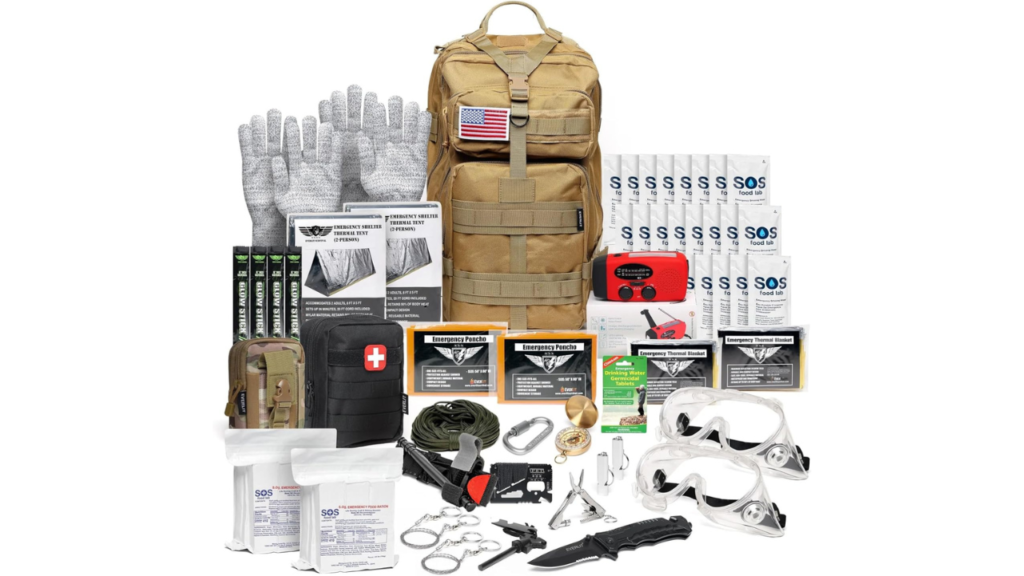
- A pre-assembled 72-hour emergency kit — look for one that includes water pouches or purification tablets, a first aid kit, a hand-crank or battery flashlight/radio, and emergency blankets.
- A portable battery pack or hand-crank charger — keeps phones usable when the power grid is down.
- A whistle and a pair of work gloves in your kit — useful for signaling for help and safely clearing debris.
A quick note: prices, availability, and specific models change often, so it’s worth checking current ratings and reviews on Amazon before buying rather than relying on a fixed list.
In Part 2, we’ll look at what’s actually happening on the ground after the July 28, 2026 Kumamoto earthquake, how local Japanese communities are responding, and why the country’s long relationship with seismic risk has shaped a uniquely steady, community-minded response to disaster.