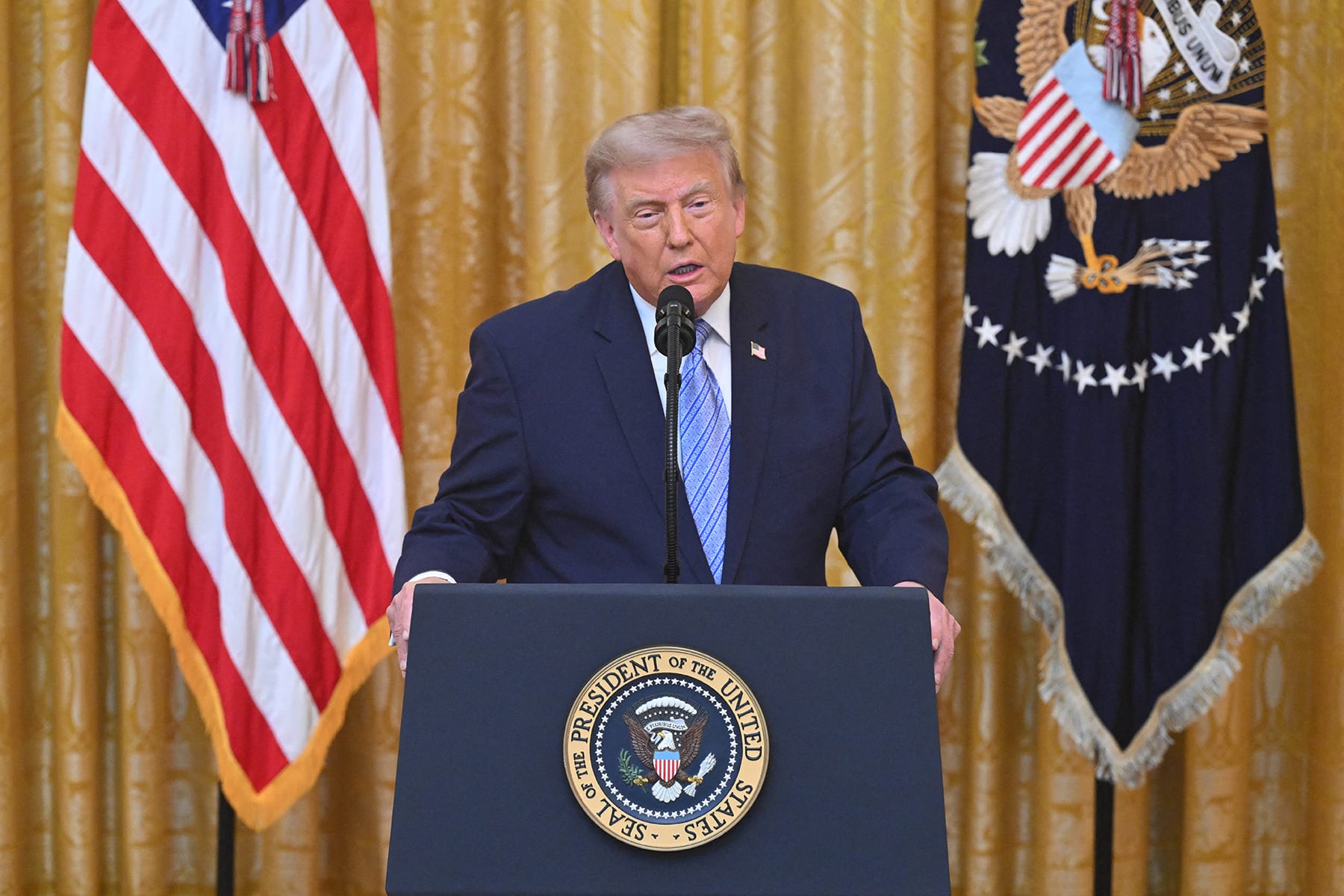
Donald Trump is one of the most heavily documented figures in modern global history. Millions know him as a real estate mogul, reality television star, and the holder of the U.S. presidency. Yet, behind the public rallies and media battles lies a collection of bizarre habits, hidden business failures, and specific psychological quirks that rarely make the front pages. From deep-seated phobias to unique lifestyle patterns, these lesser-known details offer a raw look at his true personality.
The Secret Pool Etiquette and Germophobia
While the public sees a boisterous, larger-than-life figure, Donald Trump’s private life is strictly governed by intense germophobia. He famously despises shaking hands, calling it “one of the curses of American society”.
However, his obsession with cleanliness manifests in even weirder ways behind the closed doors of his Mar-a-Lago estate:
- The Shirt Rule: Former bodyguards have noted that during his single years, when hosting large parties with models and cheerleaders, Trump would swim in his mansion pool but absolutely refused to take off his T-shirt.
- The Remote Control Monopoly: Guests and staff have revealed a strict household policy where absolutely no one is allowed to touch his television remote control.
- Fast-Food Obsession: His well-documented love for brands like McDonald’s and KFC isn’t just about taste. It stems from a profound, lifelong fear of being poisoned. He values major fast-food chains because the meals are safely premade without the staff knowing who will consume them.
Forgotten Pop Culture Failures and Bizarre Accolades
Long before his political ascent, Trump constantly attempted to license his surname to everyday consumer goods. While Trump Tower became a landmark, a long string of eccentric products completely collapsed:
| Failed Venture | Year / Fact |
|---|---|
| Trump: The Game | A Monopoly-style board game retired due to terrible sales. |
| Trump Vodka | A liquor line launched despite Trump being a lifetime teetotaler. |
| Trump Shuttle | A short-lived airline that went completely bankrupt. |
| GoTrump.com | A failed search engine intended for luxury travel. |
Beyond consumer products, Trump actively sought Hollywood validation. He appeared in the 1989 film Ghosts Can’t Do It playing himself. The performance earned him a Razzie Award for Worst Supporting Actor. Decades later, his iconic building served as the fictional headquarters for Wayne Enterprises in the blockbuster film The Dark Knight Rises. Additionally, in a strange crossover of pop culture history, he once guest-starred alongside Beatles drummer Ringo Starr in an episode of the 1990s sitcom Sabrina the Teenage Witch.
The Anti-Exercise Philosophy
One of Trump’s most unusual personal beliefs centers on human biology and physical fitness. He explicitly discourages traditional exercise because he views the human body exactly like a battery. In his view, every human is born with a strictly finite, non-renewable amount of energy. He believes that working out or exerting oneself needlessly drains this battery, effectively shortening a person’s lifespan. Consequently, his primary physical activity remains limited to golf.
Hidden Historical and Political Anomalies
Trump’s historical trajectory contains data points that contradict the modern political narrative. Though heavily tied to the Republican platform, Trump changed his official political party registration multiple times over the decades. He has been registered as both a Democrat and a Republican. In 1999, he even switched his allegiance to the Reform Party. He established an exploratory committee and successfully won the California presidential primary for the Reform Party in 2000 before withdrawing from the race.
Furthermore, Trump’s family lineage carries a strange history of geographic misdirection. While his father Fred Trump was of German descent, Donald Trump actively claimed in public and in his writings up until the late 1980s that his family immigrated from Sweden. This fabrication was originally sustained by his father to avoid alienating Jewish tenants and business partners in New York during the decades following World War II.