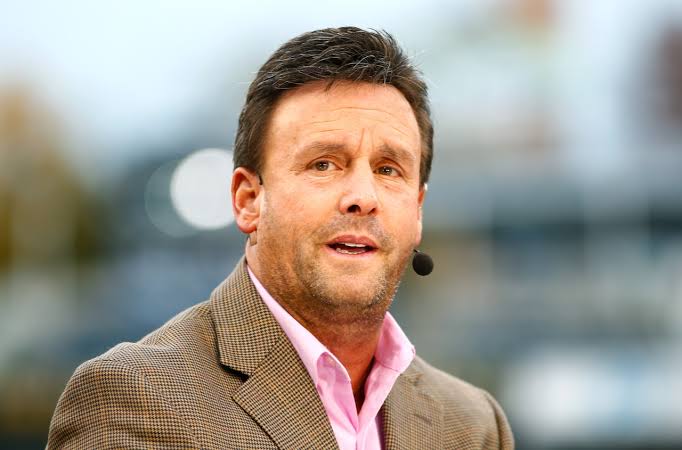
Karl Ravech spent 33 years at ESPN doing something that sounds simple and almost never is: getting people to open up on camera, in front of millions of people, without making them feel like they’re being interrogated. He anchored SportsCenter. He hosted Baseball Tonight for the better part of two decades. He called Sunday Night Baseball, the Little League World Series, the College World Series, Home Run Derby. And through all of it, the thing colleagues and players kept coming back to wasn’t his résumé — it was how he made them feel while the microphone was on.
That’s a skill. And it’s one that translates far beyond a broadcast booth — into job interviews, podcasts, team meetings, first dates, performance reviews, anywhere one person is trying to get another person to say something true.
Here’s what Ravech’s approach actually looks like, and how to borrow it.
He Started With the Unglamorous Work
Before ESPN, before the big chair, Ravech was a $12,500-a-year cable anchor in upstate New York, living with a mattress on the floor in a spot he rented in someone’s house. He moved to Harrisburg, then chased down connections in bigger markets, one relationship at a time. His own advice to young broadcasters, given years later, was almost embarrassingly simple: meet as many people as you can, because it’s all about networking.
There’s a lesson buried in that before we even get to “how to interview someone.” Nobody walks into a room and is instantly good at making people comfortable. Ravech spent years in small markets learning to read a room before he ever sat across from a Hall of Famer. If you want to be good at this, the years of unglamorous practice aren’t optional — they’re the whole foundation.
He Treats the Other Person Like the Story, Not the Prop
Ravech’s reputation was built on a specific kind of interview: the in-game conversation, where a player wears a microphone and talks through innings while the game is still happening. When Bryce Harper stayed mic’d up for four innings during a game, Ravech didn’t try to steer it into a tight, pre-scripted Q&A. He let it become a real conversation — Harper, in Ravech’s words, almost turned into a quasi-analyst by the end of it, and the broadcast was better for it.
That’s the core move: the interviewer’s job is to get out of the way of a good moment, not manufacture one. A lot of people go into interviews — job interviews, podcasts, whatever — with a rigid list of questions they’re determined to get through. Ravech’s approach suggests the opposite: come prepared, then actually listen to what the person in front of you is giving you, and follow it.
He Stayed “Malleable”
Ask Ravech what let him last three decades in an industry that chews people up, and he doesn’t point to talent. He points to adaptability. “Be malleable, be flexible,” he’s said of what growth as a broadcaster required. He moved from studio host to play-by-play announcer, from baseball to golf to college basketball, without ever anchoring his identity to one format.
Applied to interviewing specifically: the questions you prepared the night before are a starting point, not a script. If the person answers something in a way you didn’t expect, the flexible move is to follow that thread — not to steer them back to your outline because that’s what you rehearsed.
He Made Complexity Feel Accessible, Never Made the Other Person Feel Small
Part of what’s kept Ravech credible with both hardcore stat-heads and casual fans is his ability to translate advanced baseball statistics into something a general audience can actually follow, without ever talking down to either group. That’s a harder balance than it sounds — it’s easy to either oversimplify until an expert feels patronized, or over-explain until a newcomer feels lost.
The interviewing version of this: when someone gives you an answer that’s technical, or emotional, or complicated, your job is to help the audience (or yourself, if it’s a one-on-one) understand it — not to prove you already knew it, and not to make the other person feel like they explained it wrong.
He Built Real Relationships, Not Just Contacts
Ravech’s career is dotted with long-running professional relationships — with players, with fellow broadcasters like Dan Patrick, Keith Olbermann, and Chris Fowler, and notably with younger broadcasters he’s mentored, including his own son Sam, who became one of ESPN’s youngest play-by-play announcers at 22. People who’ve worked with him describe him less as someone who conducts interviews and more as someone who cultivates relationships that interviews happen to come out of.
That’s maybe the most transferable lesson here: the best interviews aren’t won in the five minutes before you hit record. They’re the byproduct of having actually built trust with someone — over one conversation or over years — so that when the moment comes, they already believe you’re going to treat what they say with respect.
What This Looks Like If You’re the One Being Interviewed
Since Ravech’s whole approach is about making the other person comfortable enough to be real, it’s worth flipping the lens: if you’re ever on the other side of that microphone — a job interview, a media appearance, a tough conversation — the version of “looking like you belong in that seat” isn’t about performing confidence. It’s about:
- Actually answering the question you were asked, even if it takes you somewhere unscripted, rather than pivoting to a rehearsed talking point.
- Letting a genuine reaction show. The moments people remember from broadcasts like Ravech’s aren’t the polished ones — they’re the ones where someone’s real personality came through.
- Trusting that depth is more compelling than polish. A four-inning conversation with Bryce Harper worked because it wasn’t trying to be tight and quotable — it was trying to be true.
The News Behind the Timing of This
As it happens, this piece lands at a strange moment: ESPN is reportedly letting Ravech go as part of a round of layoffs, three decades after he first walked into the network’s Bristol, Connecticut offices. It’s a reminder that even a career built on making other people feel valued doesn’t insulate you from the business side of the industry — but it doesn’t erase what he built either. Thirty-three years of people trusting him with a microphone is not a small thing.
If there’s one takeaway to actually carry into your next conversation — interview or otherwise — it’s this: people don’t remember the format of the questions you asked them. They remember whether they felt like a person while you were asking.